The people are the point.
A people who have never needed to be discovered.
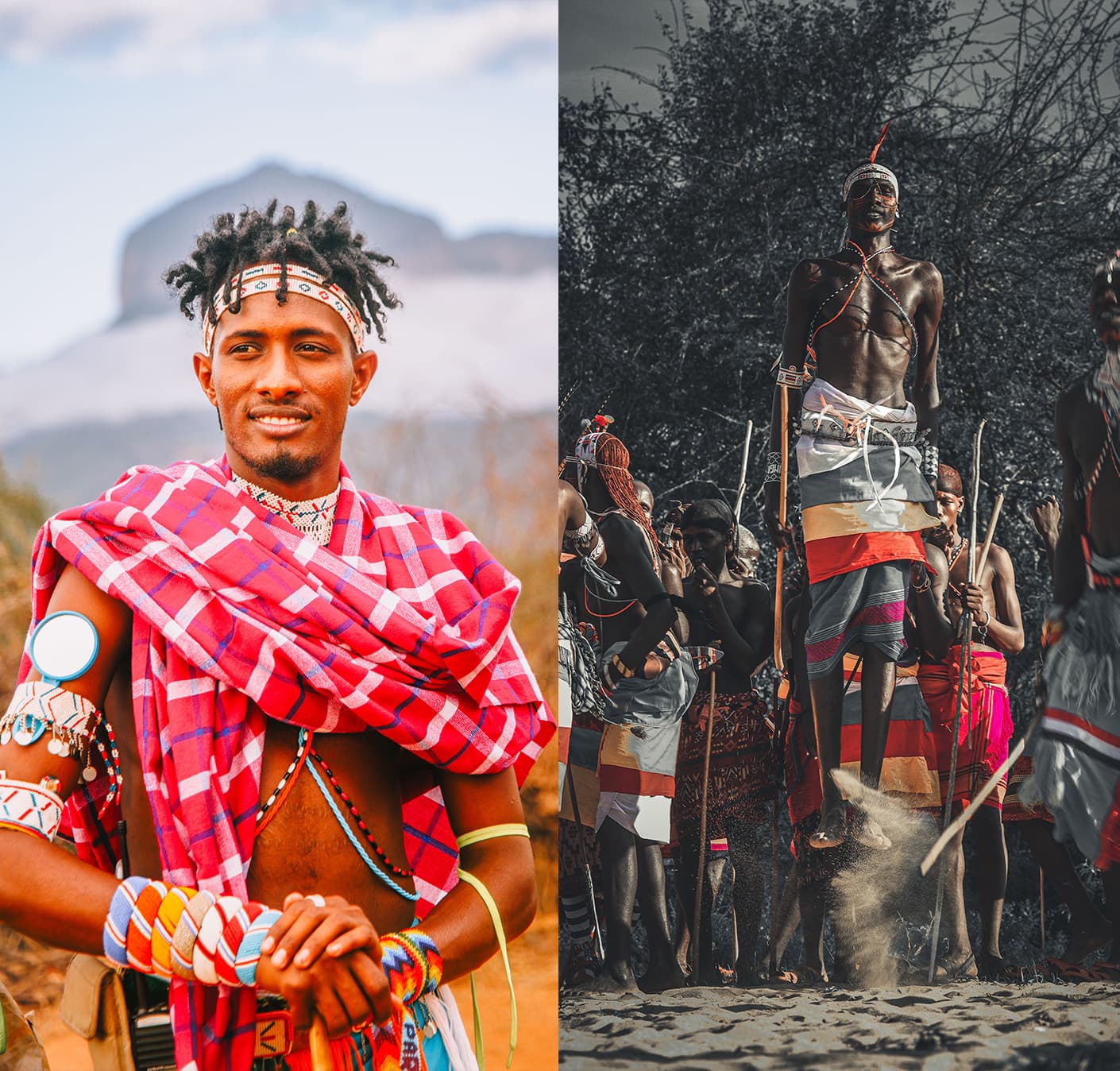
The Samburu are a Nilotic people of Kenya’s northern plains, semi-nomadic pastoralists who have moved with their cattle, camels, goats and sheep across this landscape for centuries, following the rains and the pasture. They are considered among the most traditional of Kenya’s pastoralist communities, not because they have been left behind, but because they have chosen to hold fast to what matters. Their culture is not a performance. It is simply how they live.
At Kalepo, the relationship with the Samburu community is the foundation of everything. The camp sits within the Kalepo Community Conservancy, governed by its people, and the majority of the team are Samburu. Tourism here is not something that happens alongside the community. It happens because of them, and for them.
The people you will remember most.
Every experience at Kalepo is guided by Daniel and Mrefu. Born and raised in Samburuland, they are not interpreters of a culture. They are its living expression.
Daniel Galgoroule
Daniel has spent his life in this landscape and brings an understanding of the Samburu people, their traditions, and their relationship with the land that cannot be taught in a classroom. His warmth and patience make every encounter feel like an invitation rather than an activity.
Daniel Loboitongu
Daniel Loboitongu goes by Mrefu at Kalepo, the Swahili word for tall, pronounced mm-rare-fu, and a name that suits him in more ways than one. His knowledge of the fauna and flora is matched by his ability to open doors, literally and figuratively, into Samburu life. Whether tracking at dawn or sitting with elders at dusk, he moves through both worlds with an ease that makes guests feel genuinely welcomed, not merely hosted.
A day in Samburuland.
Nothing here is staged. These are real encounters with real people, shaped by the rhythm of daily life in Samburuland rather than by a schedule.
Samburu Homestead Visits
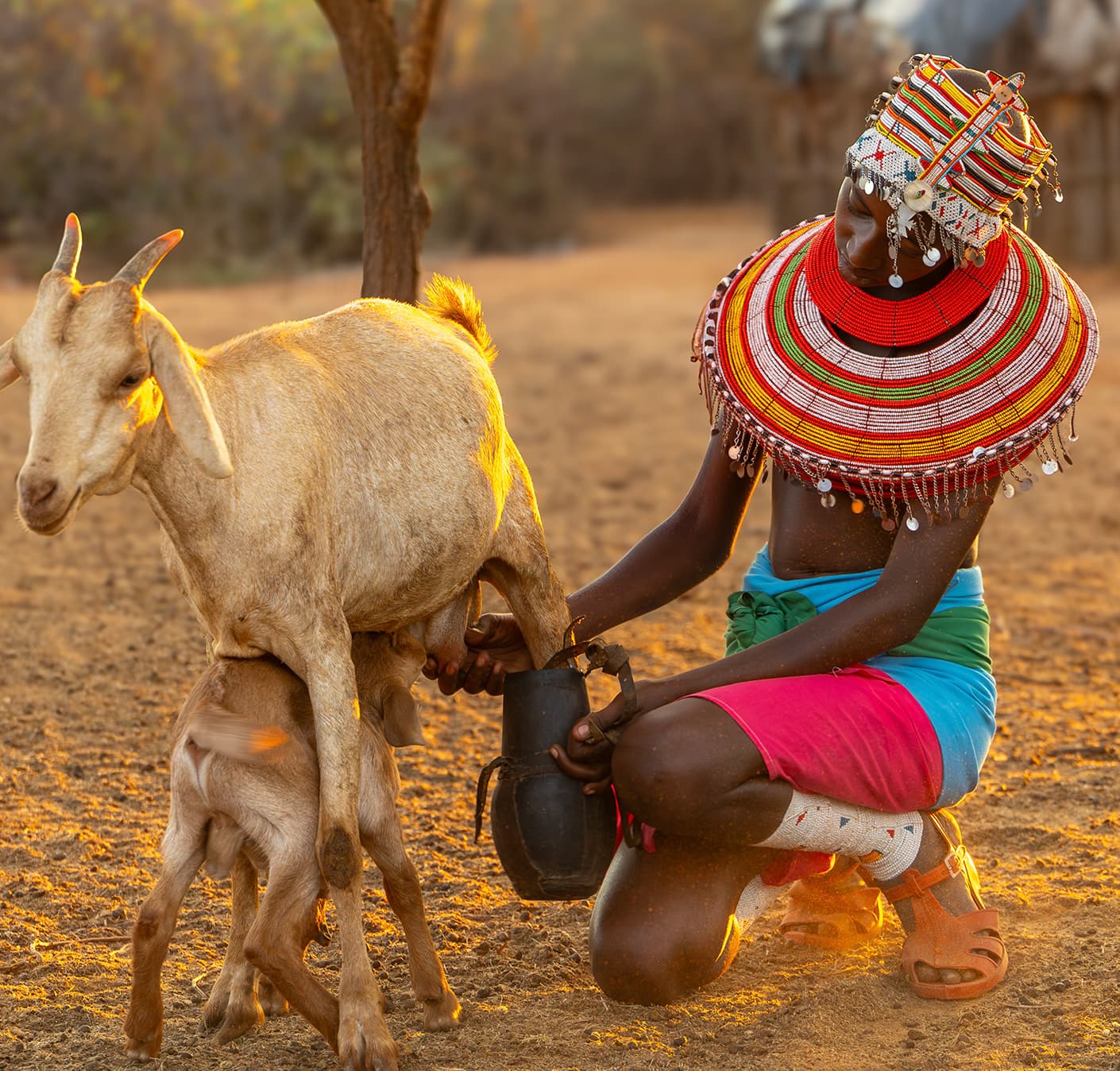
A typical Samburu homestead, or manyatta, is home to several families living together as they have for generations. Visiting one is a privilege. You are a guest, welcomed into someone's home, invited to sit, to watch, to ask, and to listen. You might share tea, observe the daily rhythms of livestock care, or simply spend time in the company of people whose way of life is extraordinary in its quiet resilience. There is no script and no performance. That is precisely what makes it unforgettable.
Warrior Games
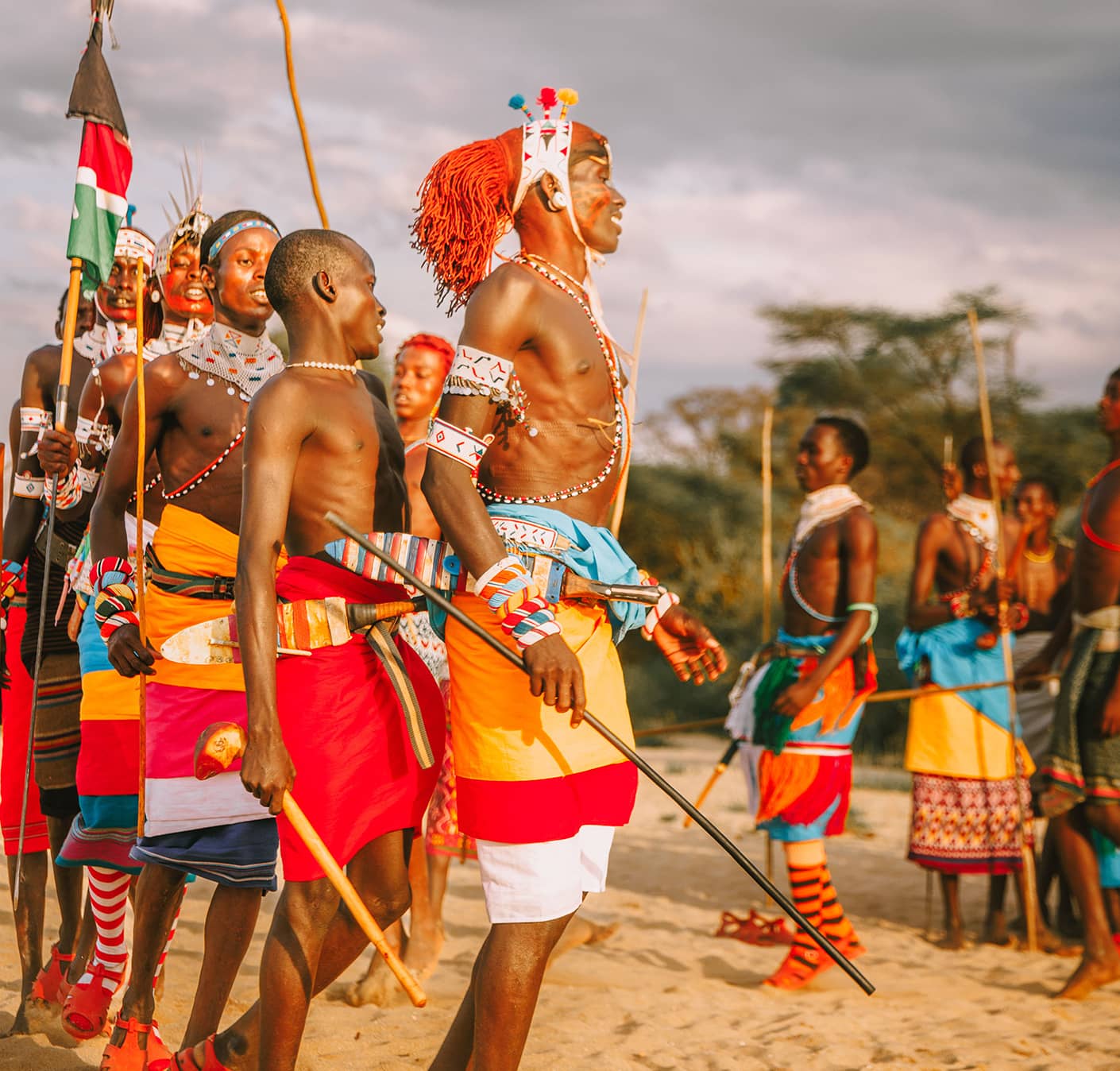
Samburu warriors have always tested their strength, agility, and skill against one another. These are not demonstrations put on for visitors, they are the same games that have been played across generations, and the competition is entirely real. Guests are welcome to try their hand, and most find that the warriors take considerable pleasure in the challenge. It is one of those rare moments of genuine cross-cultural connection, built not on explanation but on participation.
The Singing Wells
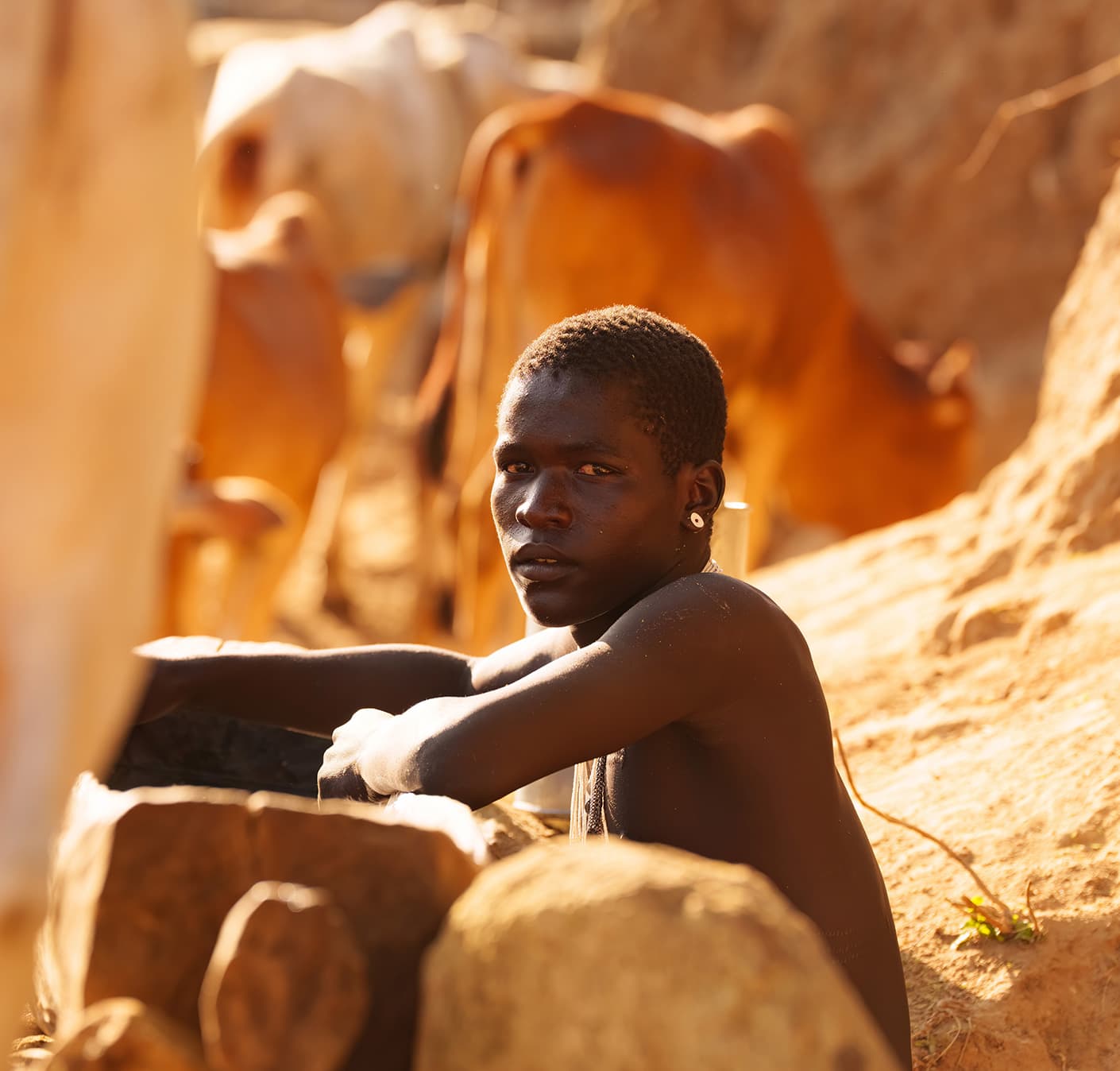
Seasonal and unrepeatable, the singing wells are one of Samburuland's most extraordinary phenomena. As water levels drop in the dry season, Samburu herders form human chains to pass water up from deep in the earth, singing rhythmically as they work to encourage their livestock to drink. The sound carries across the valleys before you can see what is happening. It is ancient, communal, and utterly alive. Whether you encounter it or not depends on the season and the rains, which is part of what makes it so precious when you do.
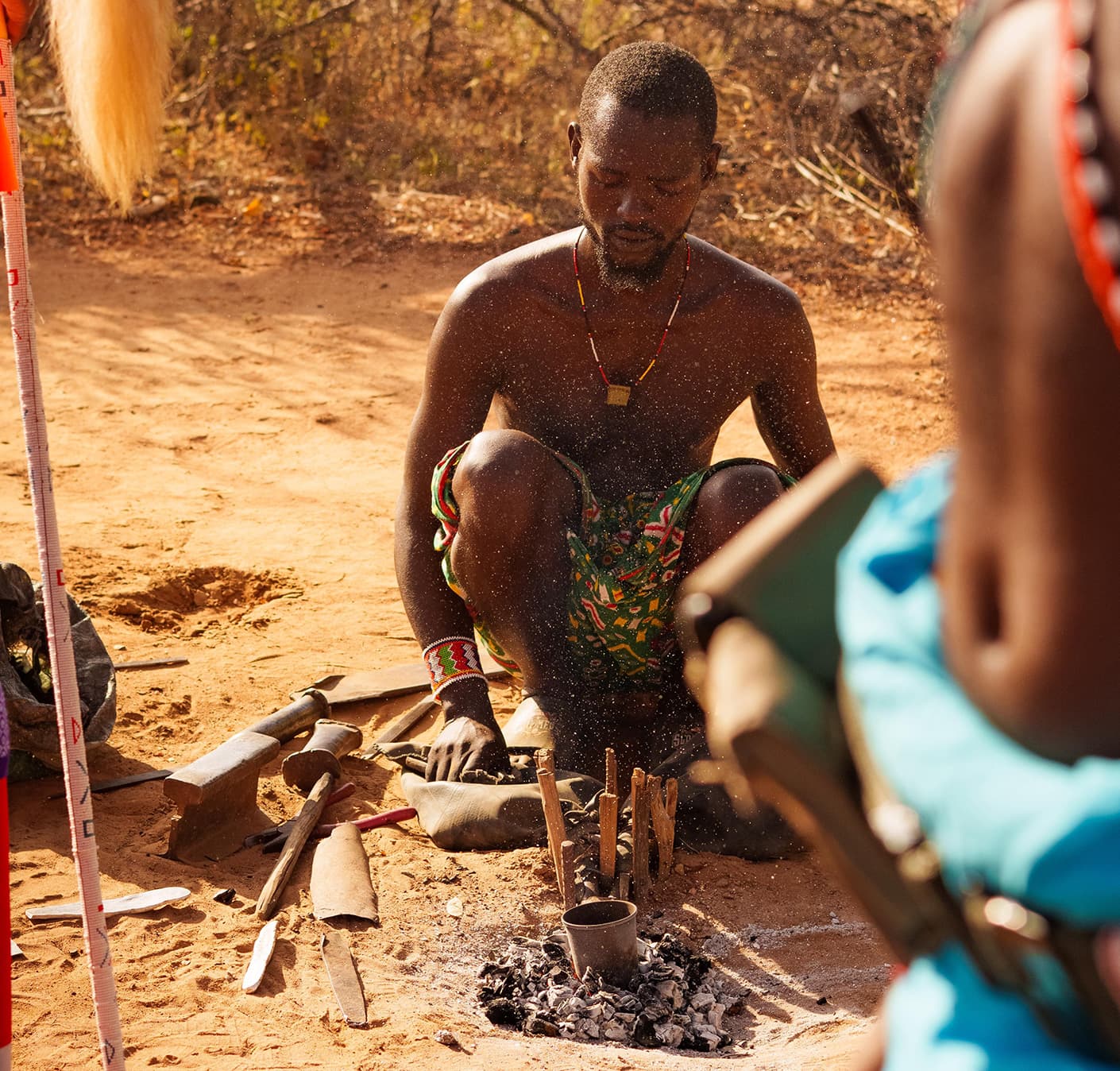
Samburu Blacksmiths
The blacksmiths of Samburuland forge the tools, weapons, and adornments that are central to Samburu life and identity. Visiting them is a window into a craft tradition that has changed very little over centuries. Watching a blade or a piece of jewellery take shape by hand and fire, is a reminder that some forms of knowledge are best passed on by doing rather than by writing.
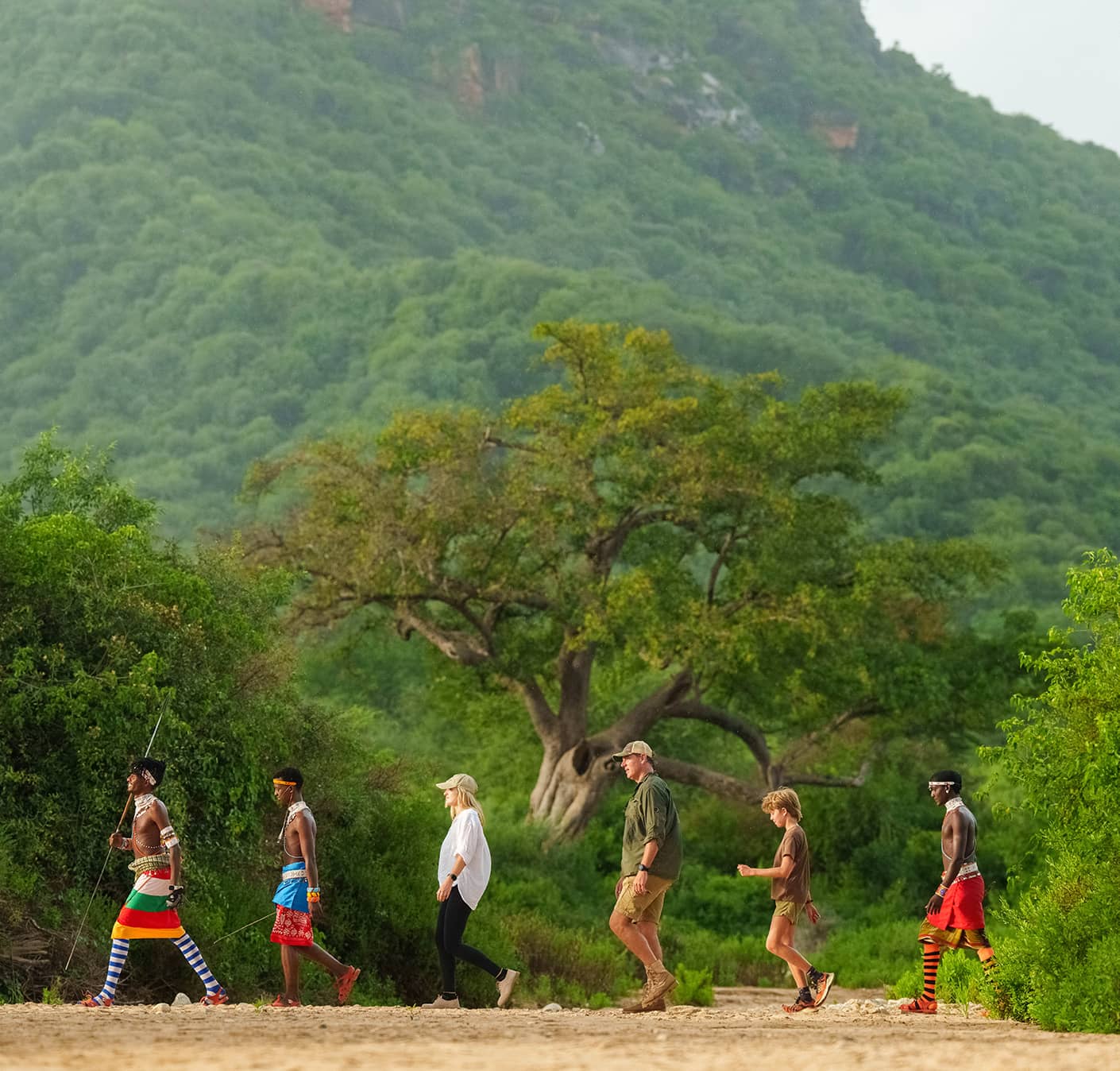
Bush Walks & Treks
On foot, the landscape becomes something different. What passes by unnoticed from a vehicle reveals itself at walking pace — tracks, spoor, the geology of the Mathews Mountains, the medicinal plants that Samburu healers have used for generations. Our guiding team read the bush the way others read a page, and a walk with either of them is as much a conversation about knowledge and observation as it is an activity.
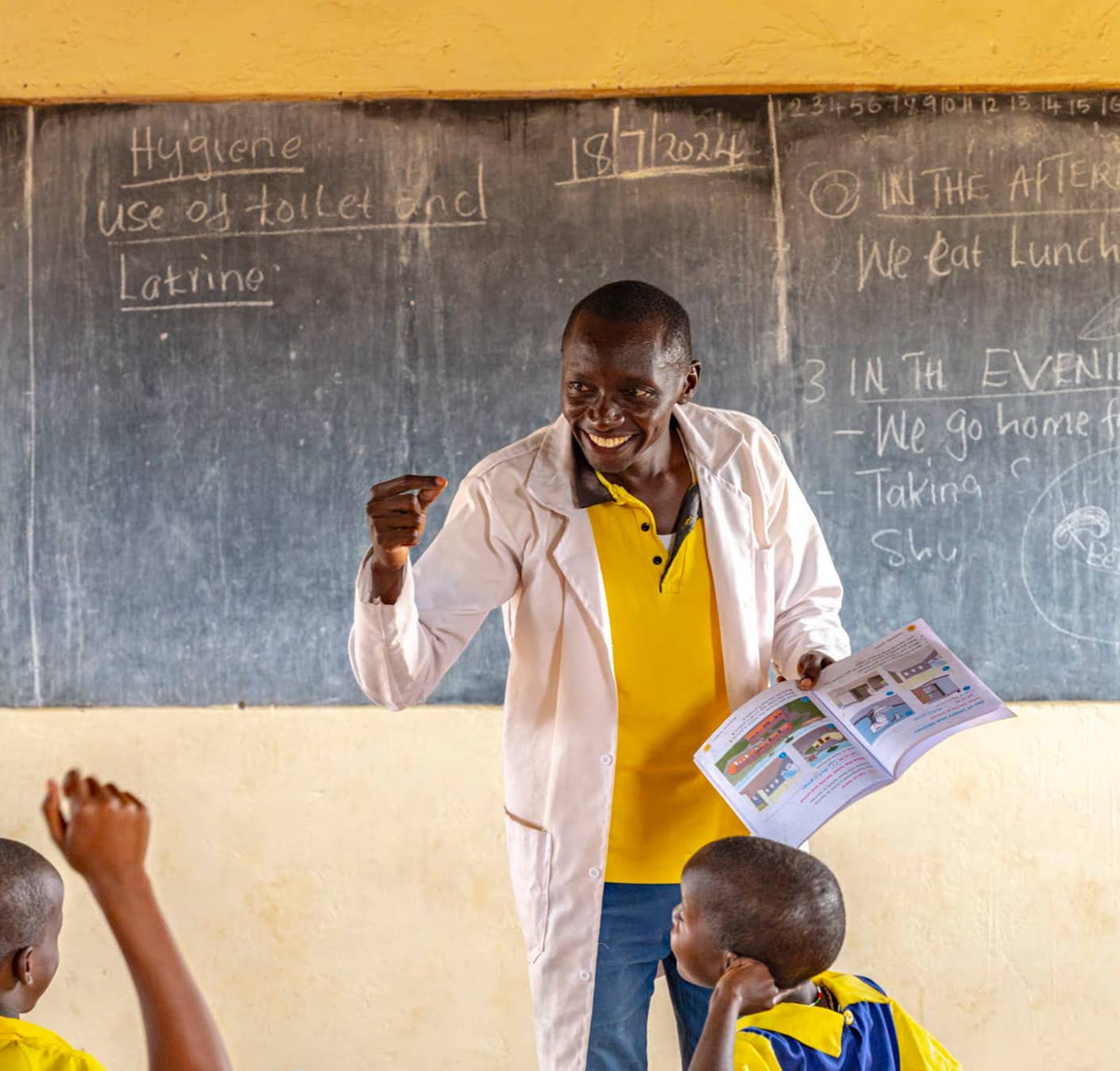
School & Clinic Visits
The schools and medical dispensaries supported by the Kalepo Foundation are not far from camp, and visiting them puts a human face on what conservation funding actually achieves. You will meet teachers, students, and healthcare workers doing remarkable work in remote and under-resourced conditions.
A morning visiting the surrounding villages with the Foundation's mobile veterinary team tells a different story of the same commitment. Donkeys, dogs, and livestock are the working backbone of Samburu life, and attending to their welfare, emergency cases, routine care, and everything in between, is as much a part of the Foundation's work as the classrooms and clinics. Seeing it first hand, and knowing your stay makes it possible, stays with you. Neither visit is comfortable in the way that a game drive is comfortable. Both are among the most meaningful things guests do at Kalepo.
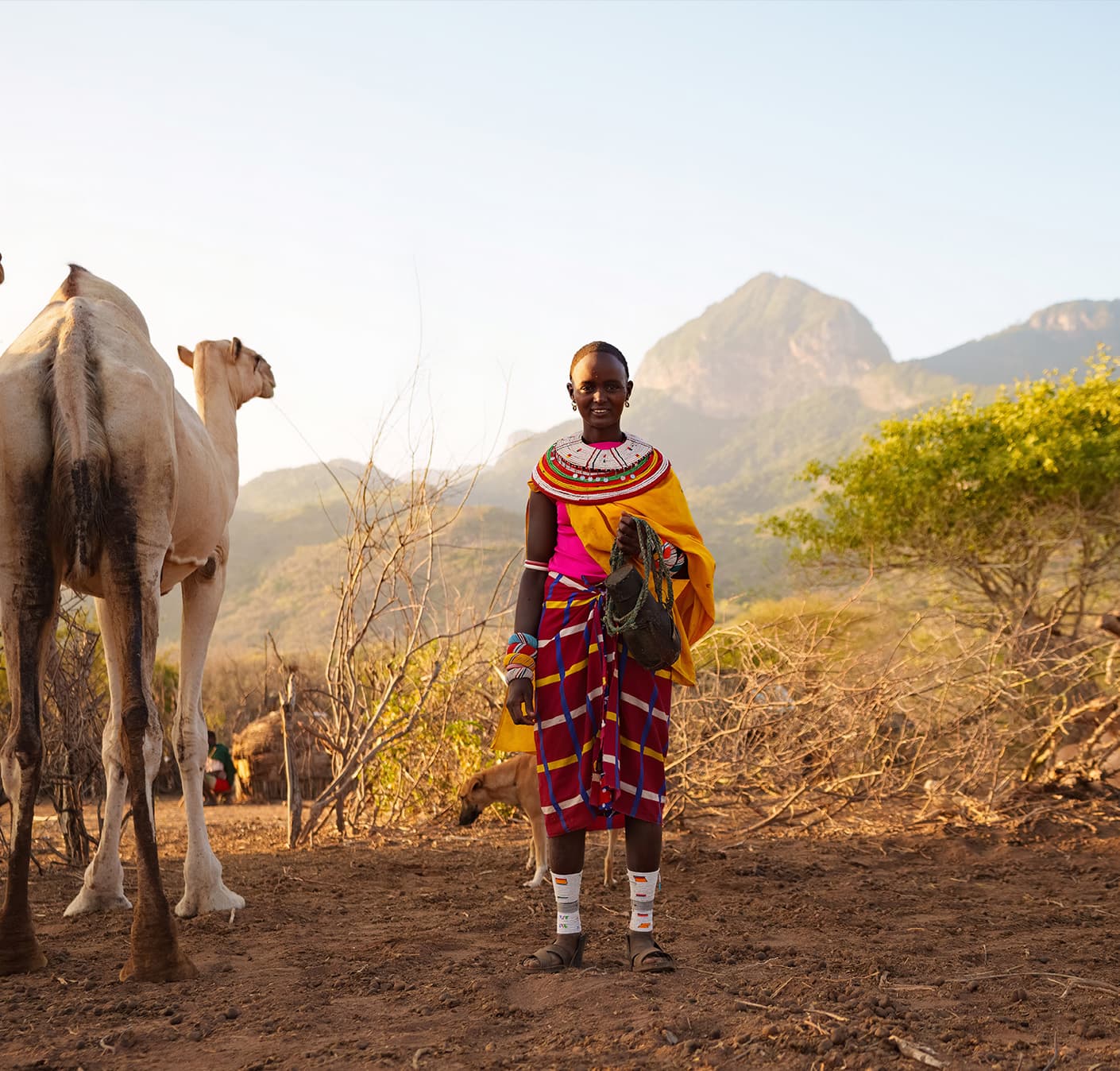
Women's Agricultural Project
The women of Kalepo's agave farming initiative are building something quietly significant. Working part-time on drought-resilient plantations that they own and manage themselves, they are creating a source of income and independence in a community where women have historically had little access to either. Spending time with them, hearing about the project from the women themselves, is to witness a shift in progress, one that is as much about dignity and agency as it is about agriculture.
Samburuland is waiting.
The best way to understand what makes Kalepo different is to experience it. Start planning your stay, or get in touch and we will help you find the right time to visit.